What's New in Remote Desktop Manager Mac 2026.2
Thank you for updating Remote Desktop Manager (RDM) to version 2026.2!
Below, we'll take a quick look at the most exciting updates. For the full list of changes, check out the release notes.
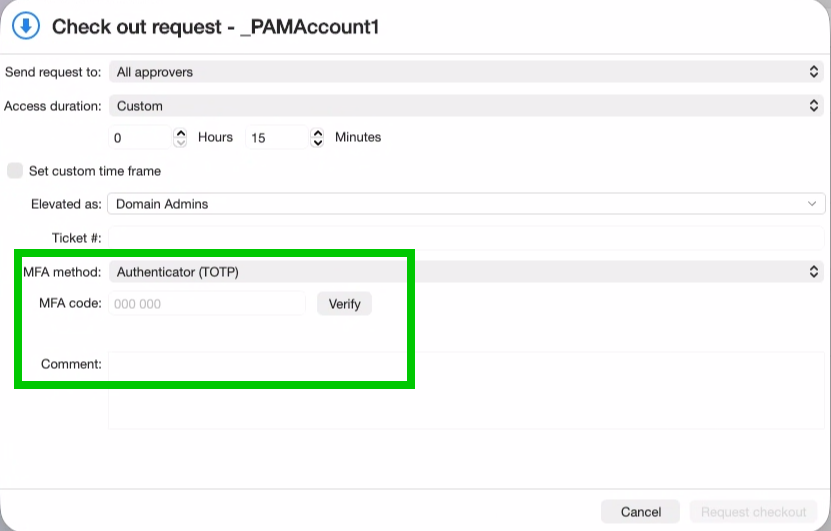
Multi-factor authentication (MFA) with PAM checkouts
MFA on PAM checkouts adds a configurable multi-factor prompt when a checkout is requested, confirming that the right user is starting a sensitive session before they reach a critical system. Multiple MFA methods are available, such as email and TOTP.
Multi-user checkouts on shared entries
This release expands how shared resources get checked out. Multiple checkouts now allow a single entry to be checked out by a defined number of users simultaneously, useful for pooled devices, service accounts, and other shared infrastructure where one-at-a-time checkout gets in the way.
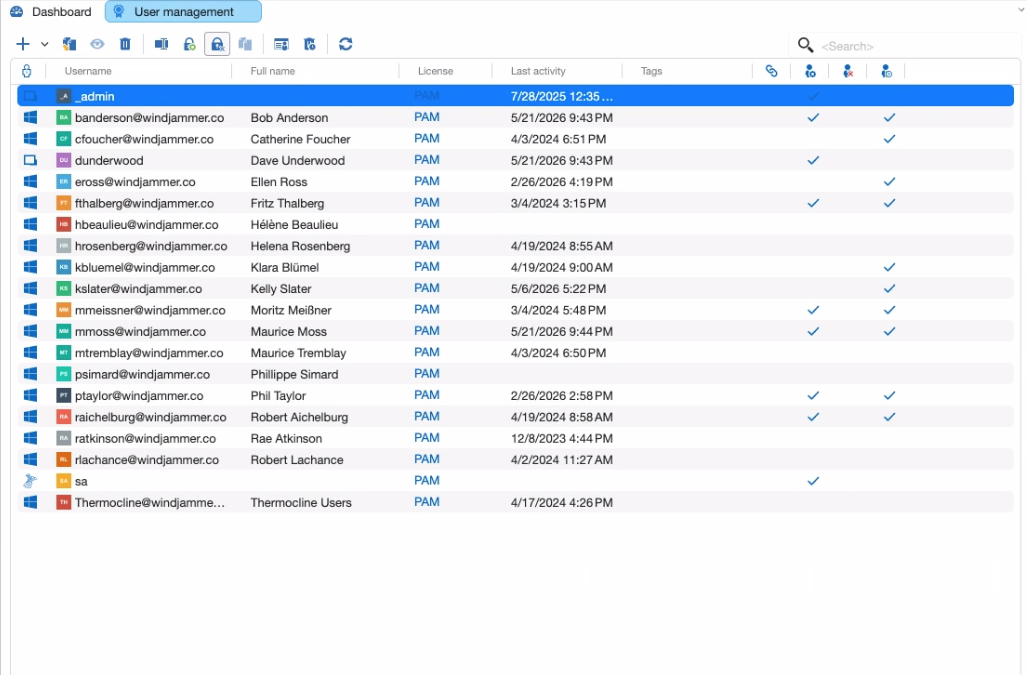
Administering Devolutions Server from RDM
Managing users, user groups, and licenses no longer means leaving Devolutions Remote Desktop Manager (RDM). Administrative interfaces are now embedded as tabs in Devolutions Server, so Server administration occurs in RDM rather than in the web UI.
Full read & write offline mode for Devolutions Cloud
Devolutions Cloud also gains full read and write access in offline mode via RDM, previously read-only. Edit while disconnected and changes sync when you reconnect, bringing Cloud to parity with Server for offline workflows.
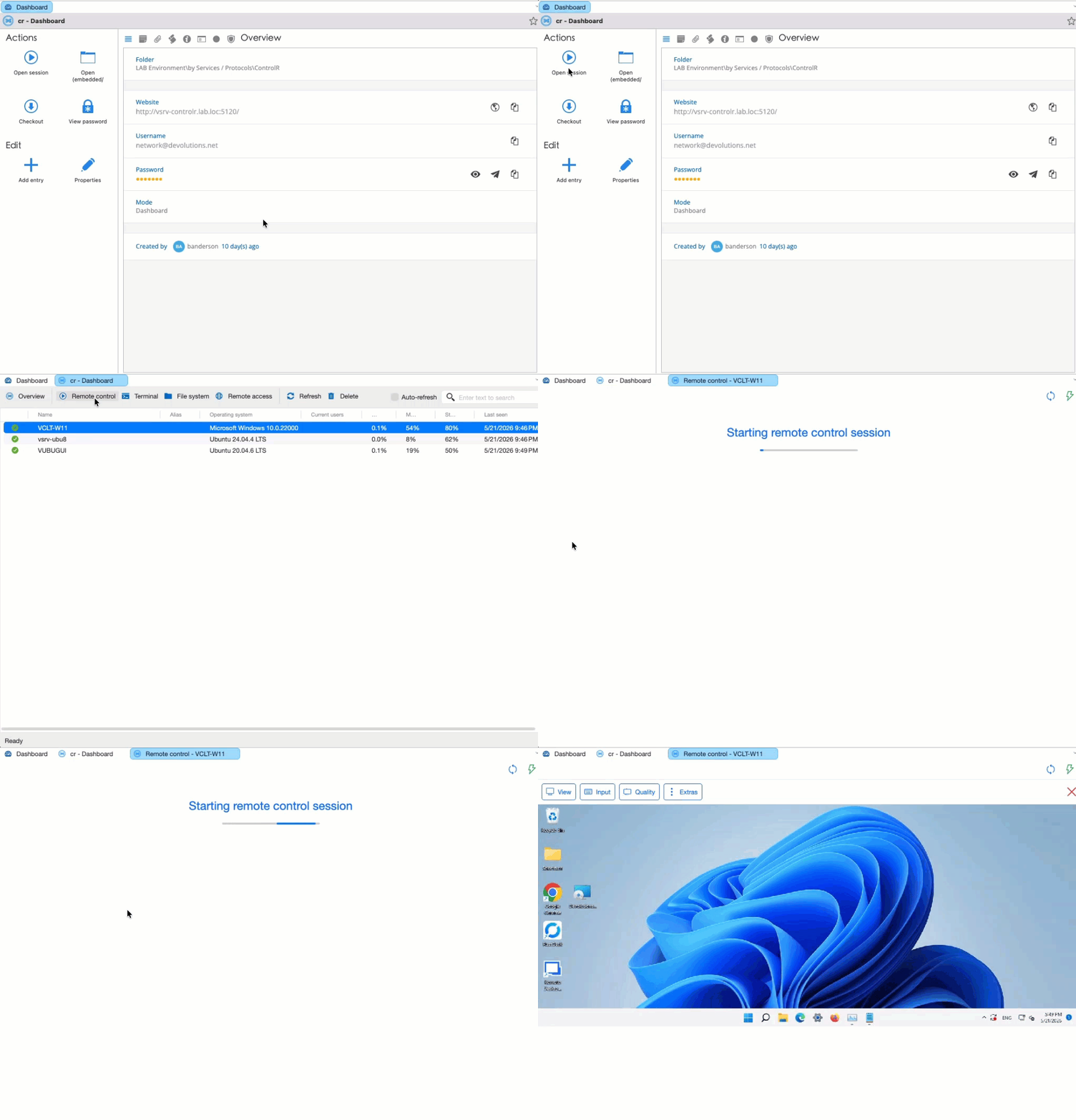
ControlR for RDM macOS: new Dashboard and embedded viewer
Building on the ControlR sponsorship and integration introduced in 2026.1, RDM for macOS now includes a fully embedded ControlRViewer and a dedicated ControlR Dashboard entry. Launch remote control sessions inside RDM with no external viewer required, keeping interactive support sessions in one place and closing the gap with RDM for Windows on remote support workflows.
Sign in to websites with social logins
A new social login credential type is available for website entries. Associate an entry with the federated provider behind it (Google, Microsoft, Apple, GitHub, Amazon, Facebook, X, Discord, or Slack), and when you launch a website that uses social login, RDM detects the available providers and guides you through the sign-in flow.
Linked external vaults in more places
Credentials stored in other vaults now work across more of RDM for macOS. Apply them through Batch Edit on specific settings, store an entry's OTP in a separate vault from its credentials, and pick credentials from a different vault when launching with Open with Parameters. Whatever vault infrastructure your team already runs now carries through more workflows, without duplicating credentials along the way.