











 Marc Beausejour
Most of what slows IT teams down isn’t dramatic. It’s the small, repeated friction: switching to a web console to manage a vault, re-selecting the same elevation group at every checkout, waiting on a shared resource only one person can hold at a time, or losing access the moment connectivity drops.
Devolutions Remote Desktop Manager (RDM) 2026.2 focuses on lifting those everyday interruptions.
For the full list of changes, check out the release notes.
Tighter privileged access, without the extra clicks
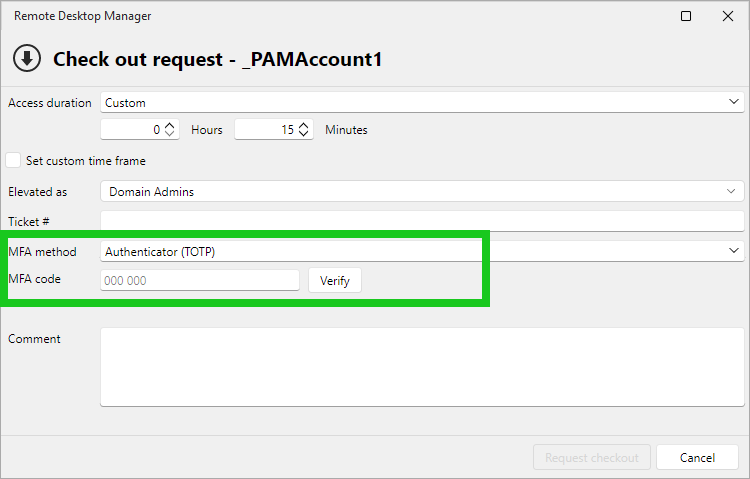
MFA on PAM checkouts (Windows, macOS, Linux, and mobile)
RDM can now prompt for multi-factor authentication when a PAM checkout is requested, confirming the right person is starting a sensitive session before they reach a critical system. Multiple methods are supported, including email and TOTP. The verification follows the access request itself, so a strong checkpoint sits exactly where it matters: right before privileged access is granted.
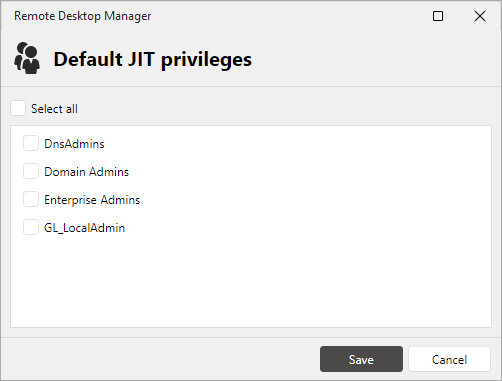
Default just-in-time elevation group for PAM accounts (Windows and mobile)
You can now set a default elevation group on PAM account entries and on session entries linked to a privileged account, so the right group is pre-selected at checkout. On Windows, this covers AD, Entra ID, and SSH local user JIT scenarios. On iOS and Android, you can choose Prompt (ask each time), Inherited from provider, or a custom AD group. The result is fewer selections on the flows you run most, and less chance of picking the wrong privilege level on the way into a session.
Multi-user checkouts on shared entries (all platforms)
A shared entry can now be checked out by a defined number of users simultaneously, rather than one at a time. For pooled devices, service accounts, and other shared infrastructure, this removes a familiar bottleneck while keeping control over exactly how many people can hold access at once.
More of your day, centralized in RDM
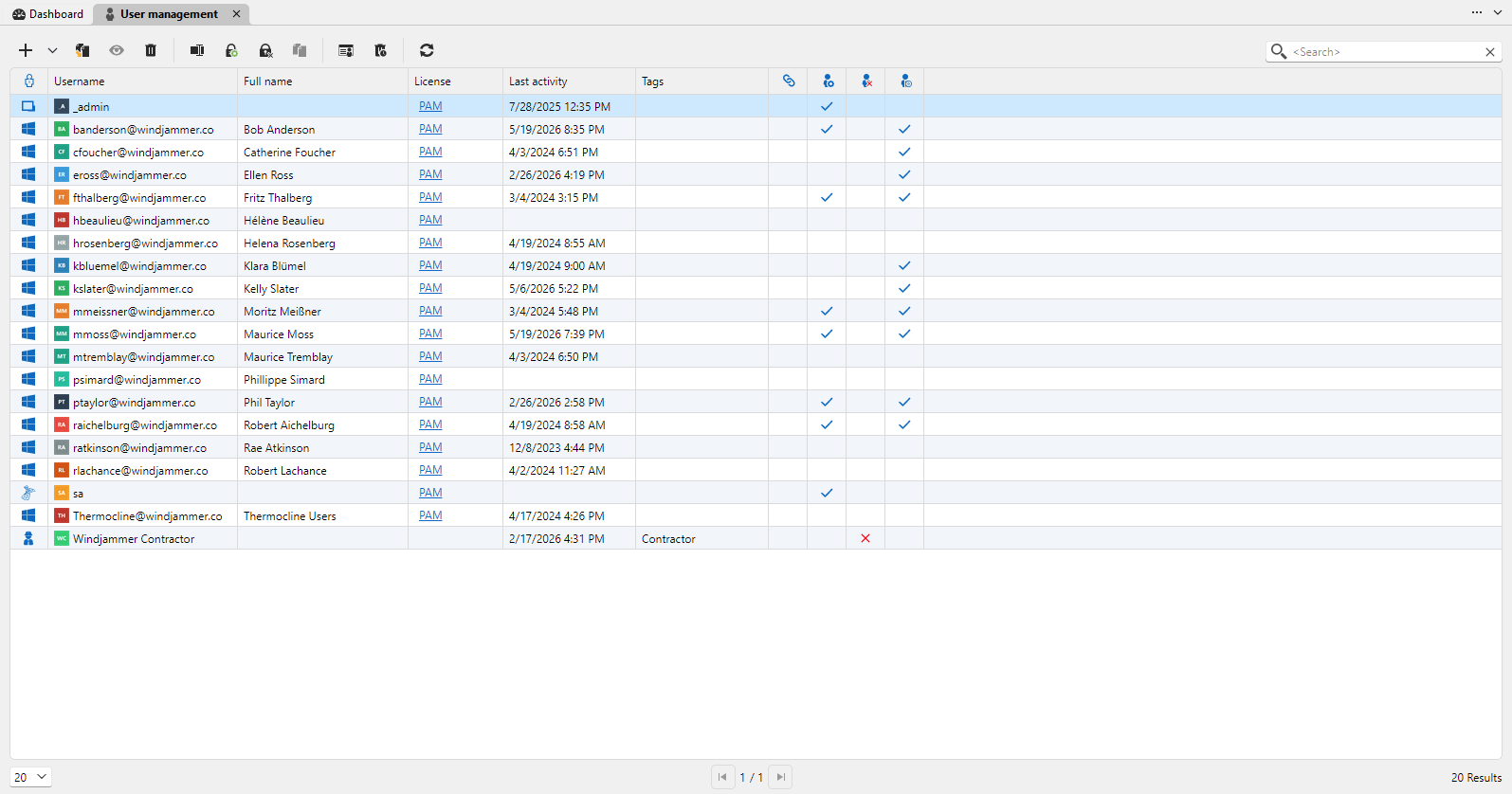
Administer Devolutions Server from RDM (Windows, macOS, and Linux)
Managing vaults, users, user groups, and licenses no longer means leaving RDM for the web UI. Devolutions Server administration is now embedded as tabs inside RDM, so those tasks happen where you already work, with fewer context switches and a more centralized operations experience.
ControlR dashboard and embedded viewer (Windows and macOS)
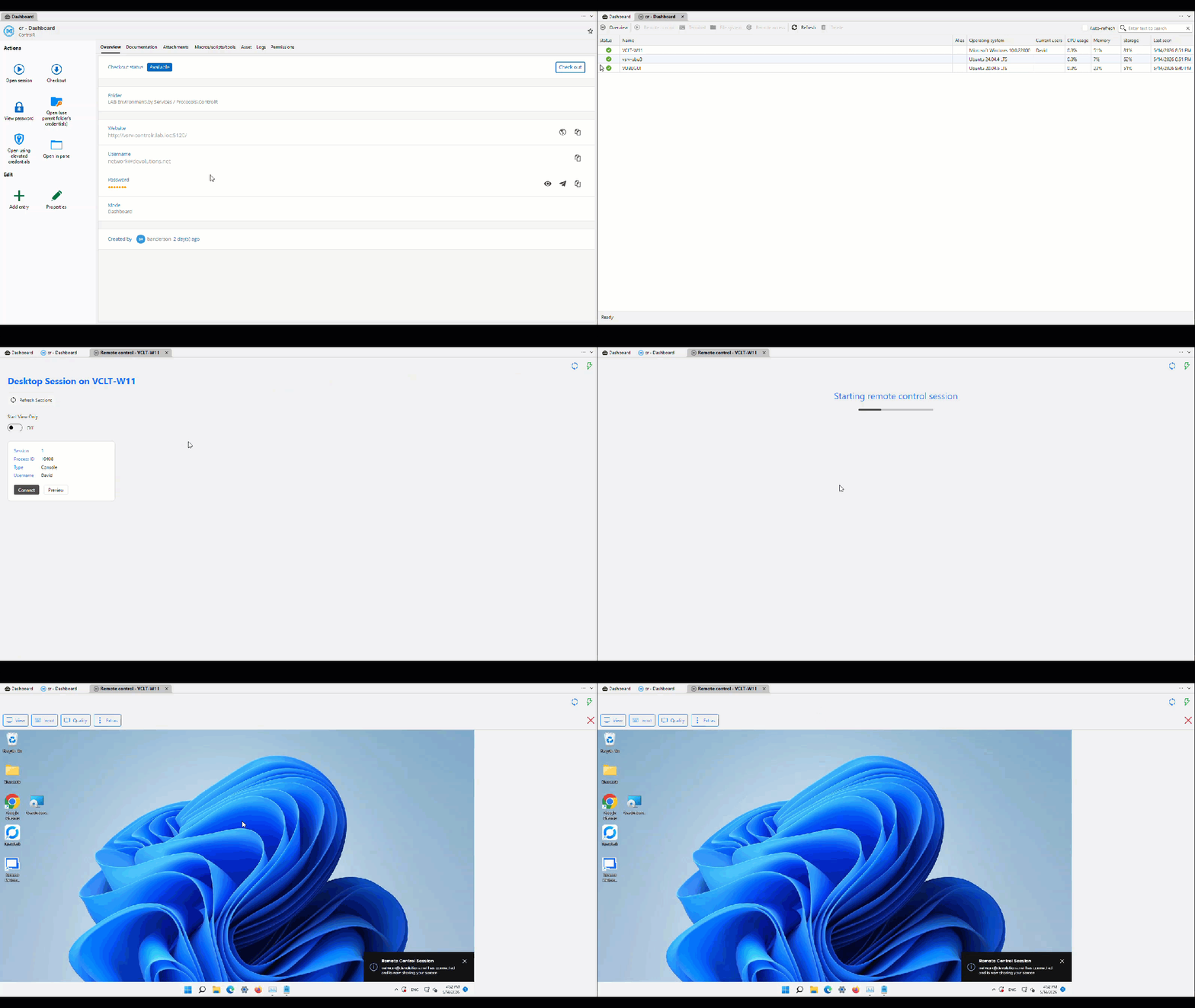
Building on the ControlR sponsorship and integration introduced in 2026.1, RDM now includes a fully embedded ControlR viewer and a dedicated ControlR Dashboard entry. Browse agents, launch remote-control sessions, and reach native Terminal and File System views without opening a separate tool, keeping interactive support sessions in one place. On macOS, this also closes the gap with RDM for Windows on remote support workflows.
Full offline read and write for Devolutions Cloud (all platforms)
Devolutions Cloud now supports full read and write access in offline mode through RDM, where it was previously read-only. Keep editing while disconnected, and your changes sync automatically when you reconnect. This brings Cloud to parity with Devolutions Server for offline work, which matters for traveling admins, field technicians, and unreliable networks.
Credentials and sign-in that follow your workflows
Use external vault credentials in more places (all platforms)
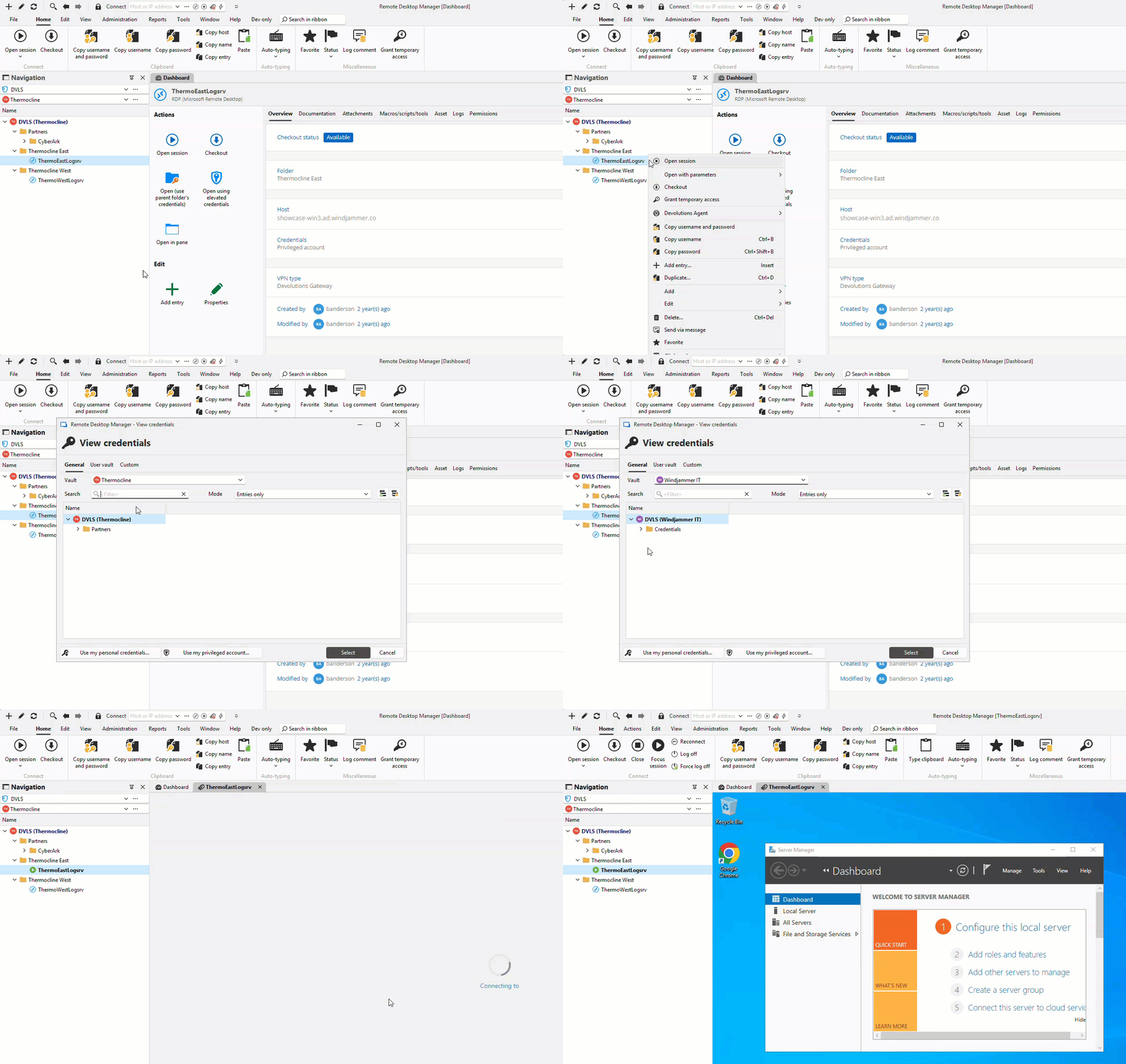
Credentials stored in external vaults now work across more of RDM, not just in the main entry settings. Depending on your platform, that now includes Open with Parameters, Quick Connect, storing an entry’s OTP in a separate vault from its credentials, applying credentials through Batch Edit, and SSH Gateway entries (including private keys) on iOS. Teams already using multiple vaults can reuse them across more workflows without duplicating credentials in RDM.
Sign in to websites with social login (all platforms)
A new social login credential type for website entries lets you associate an entry with the provider behind it, such as Google, Microsoft, Apple, and GitHub, with Amazon, Facebook, X, Discord, and Slack also supported on Windows, macOS, and Linux. When you launch a site that uses social login, RDM detects available providers and guides you through the sign-in flow, reducing duplicate entries and providing a more natural login experience.
Built for everyday IT work
Individually, these are small changes. Together, they cut down the context switching, credential duplication, and waiting that pile up across hundreds of daily actions, so RDM stays out of the way while you get work done.
Download RDM 2026.2
The latest version is available now. Go to our download center to try it out or to update, and explore the new privileged access controls, centralized administration, and workflow improvements across the release.